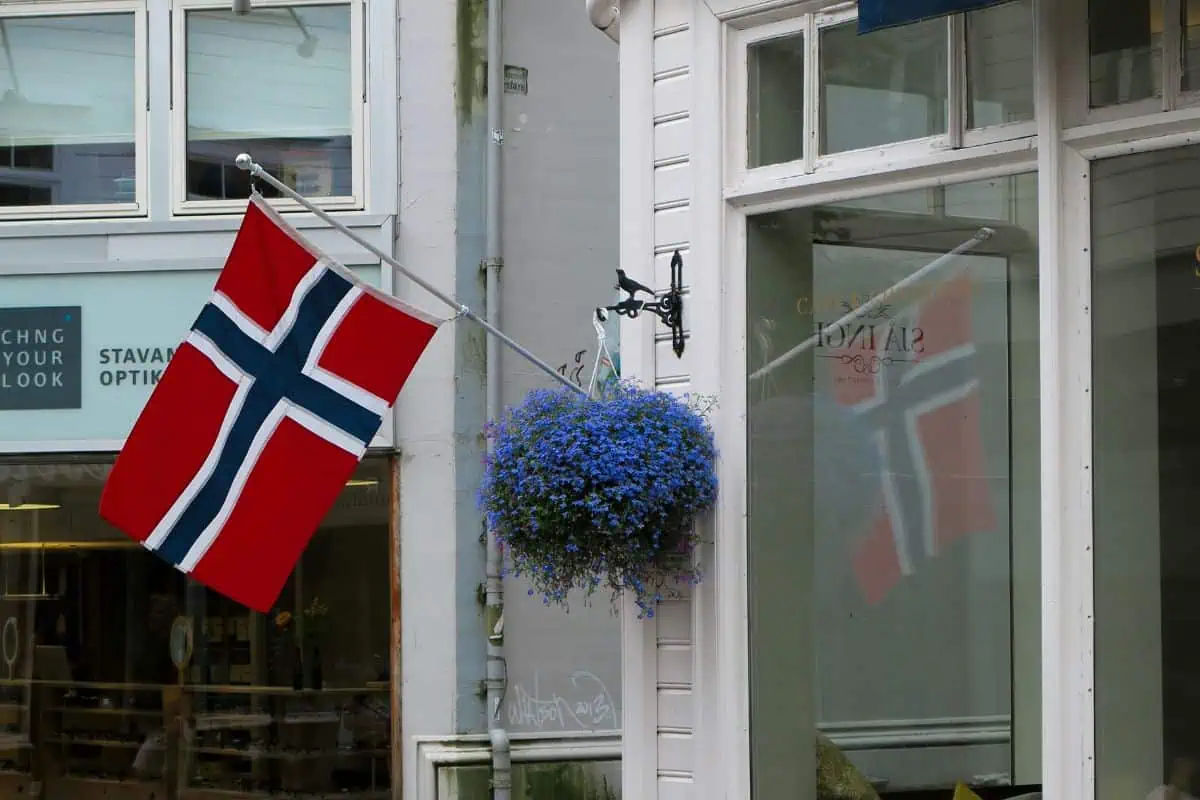
Norway is incredibly beautiful. So is the Norwegian language. It’s one of the most beautiful languages in the world. Norwegian words are quite peculiar to the Norwegian culture, and thus, you won’t find them in English or any other language, for that matter. These untranslatable words add beauty and uniqueness to the language.
Most Norwegians speak fair English, and you’d get by perfectly fine even if you don’t know a word in the Norwegian language. But, wouldn’t it be nice to know some of the most beautiful words and phrases in Norwegian before you visit Norway? There’s a sense of accomplishment in learning a new language. Plus, knowing basic words and phrases helps break down barriers when you meet new people around the world.
If you feel like wandering through more words, all my word lists, across languages and themes, live together in the WORDS section on Wordista.
Untranslatable Norwegian Words
So without further ado, here’s a roundup of the well-turned and beautiful Norwegian words and meanings:
Utepils (n.)
It’s one of the most popular Scandinavian words.
Pronunciation: OOH-ta-pilz
Meaning: Literally translates to outdoors lager; to drink beer outdoors
Come spring and summer, Norwegians are like, “Ah, the sun is finally out, let’s Utepils.” They religiously follow the tradition of enjoying the warm weather with a chilled glass of beer! Well, you have to endure the Arctic winter to appreciate the concept of Utepils.
Kos (n.)
One of the best Norwegian words and my favorite aspect of Norwegian culture.
Pronunciation: coosh
Meaning: Coziness; all things warm and cozy; a hug or a cuddle; small joys of life; it can simply mean enjoying simple things like a cup of coffee with a freshly baked cinnamon bun or having a good time with loved ones or reading a good book or snuggling in a blanket while it’s snowing outside or anything that makes you feel purely happy.
Scandinavian countries take coziness seriously, for a reason, of course. Danish hygge, Swedish mys, and Norwegian kos all tell of warmth, coziness, hugs, cuddles, snuggles, togetherness, laughter, care, and contentment. Again, you need to go through the long, dark, and unwelcoming wintry days to understand the importance of kos. Now, Kan jeg gi deg en kos? (Can I give you a cuddle or hug?)
Forelsket (n.)
Pronunciation: for-el-skit
Meaning: The euphoria you experience when you are falling in love for the first time
Glad I deg
Pronunciation: gla-i-yai
Meaning: Literally translates to glad in you or happy in you; fond of you
You say “Jeg er glad i deg” to someone you have affection for or hold dear or care for – your spouse, your child, your parents, and your friends. And, you say “Jeg elsker deg” to someone you are romantically involved with – your spouse and your kjæreste (boyfriend or girlfriend). “Jeg liker deg” is what you say to people who aren’t that close to you, like a celebrity or a teacher you admire.
Kjæreste (n.)
Pronunciation: schiaareste
Meaning: Literally translates to dearest; beloved on; a gender-neutral term of endearment for one’s romantic partner, be it a boyfriend or a girlfriend
Pålegg (n.)
Pronunciation: paw-leg
Meaning: Literally means “in addition to”; anything and everything you can put on a slice of bread or crispbread, from jam to ham to cheese to chocolate spread to other toppings and spreads you can think of, to make open-faced sandwiches called smørbrød
Norwegians carry “matpakke,” meaning a food pack or packed lunch for work, school, or hiking trips, and pålegg is an essential element of it.
PS: Try Norwegian open-faced sandwiches at Theatercaféen in Oslo, Norway
Marka (n.)
Pronunciation: maa-kuh
Meaning: Literally means forest or woodland; forested or hilly areas surrounding a settlement or city or town that contains hiking trails, lakes, and recreation facilities
Norwegians long for a break in the woods where they can hike, walk, ski, bike, camp, and unwind. You must take a walk in the Oslomarka when you visit Oslo to know what exactly it means.
Russ (n.)
Pronunciation: ruhs
Meaning: A term used for senior high school students taking part in the russefeiring, a traditional celebration before the final exam around April and May that lasts for almost a month
A season of Russen is a big thing in Norway. I loved this article about Russ.
Bobil (n.)
Pronunciation: bo-bil
Meaning: A camper or campervan; RV; motor home; motor caravan
With the right of access rules in place, Norway is best explored in a Bobil 🙂
Uff da (interj.)
Pronunciation: oo-fh-duh
Meaning: A phrase used to express sensory overload from bafflement, surprise, relief, exhaustion, astonishment, or dismay; a placeholder for many common obscenities; often a marker of Scandinavian heritage
It’s exciting how one word expresses so many emotions. Uff-da!
Its origin might be Norwegian, but it is one of the most stereotypical Minnesotan expressions.
Døgn (n.)
Pronunciation: døjn
Meaning: The time period between one midnight and the next midnight; both day and night; any 24-hour time period
It makes sense to invent a word like “døgn” in Norway because most of the country lies north of the Arctic Circle, where the sun never sets in summer and never rises in winter, making it difficult to tell day from night. There are so many compound words based on døgn, but my favorite is døgnvill, which means feeling or a state of losing a sense of what part of the day it is!
Uting (adj.)
Pronunciation: ut-ing
Meaning: Literally means unthing; Figuratively means a bad habit or tradition or nuisance or an objectionable act or situation, like a mobile phone ringing in a church
Ildsjel (n.)
Pronunciation: il-shail
Meaning: Literally translates to fire soul; a driving force; an enthusiast; someone who’s passionate and active about a cause and wants to contribute to the community
Norway celebrates ildsjeler by awarding them (Ildsjel of the Year) for their inspiring and positive role in society.
Verdensrommet (n.)
Pronunciation: verden-s-romm-et
Meaning: Literally means earth’s room; (outer) space; derived from Norse mythology, where Odin created the realms (rooms) of the world
Do you have any fascinating and beautiful Norwegian words that you’d like us to add to this list of unique words from the Norwegian language?
Save the Beautiful Norwegian Words to Pinterest