
Discover the top writing resources that genuinely help aspiring writers, bloggers, freelancers, and journaling enthusiasts overcome overwhelm and ignite creativity.
Everyone says you only need a pen and paper to write. For me, the pen runs out right when I need it, the paper is missing under some grocery list, and I’m stuck typing random lines into my Notes app at 2 a.m. Now it’s usually Word docs, Google Docs, and a pile of half-used notebooks. Messy, but that’s how it goes.
Anyway, I wasn’t the born-with-a-pen-in-my-hand type. I didn’t even know I had it in me. I was that above-average science student who aspired to pursue a PhD and work in a lab coat. But luck, or maybe mischief, had other plans. I stumbled, limped, changed jobs more times than I care to admit, and while I kept circling through uncertainty, writing found me.
Of course, I’d been scribbling since childhood, writing terrible poetry that was so bad that if anyone ever found those notebooks, I’d need witness protection and stories that made no sense but made me feel alive. I also read like a maniac. The more I read, the more I wanted to spin my own tales. Words had always had a way with me. I collected words, quotes, lines, anything that felt like it had a heartbeat.
And then, at the age when most people are reaching the peak of their “respectable” careers, I was discovered through writing. First through travel blogging, then freelancing for others. I had no degree in literature, no diploma course to flash on LinkedIn. What I had was curiosity, stubbornness, and Google. I became a self-taught writer, scavenging free resources, reading books till midnight, borrowing wisdom from authors I adored, and investing in the occasional paid gem when I could.
In a past life, I wrote HR emails that nobody read. In this endeavor, I’ve spent six years writing stories, some of which have been published in print and others online, and learning everything I could about both the craft and the business of writing. I’m still evolving, still experimenting, and still trying every resource that crosses my path.
So here we are. This guide is a collection of the best writing resources I’ve found and tested that actually help, and I wish I’d had them when I started.

Writing Resources I Swear By If You’re Serious About Being a Writer
Here’s the ultimate resource map for every kind of writer, from aspiring storytellers, bloggers, authors, and freelancers to journalers. I’ve listed my favorite classes, books, blogs, websites, communities, podcasts, apps, Substacks, TED Talks, and everything in between. This list is your friendly toolkit for becoming the writer you want to be.
Online Writing Classes & Courses
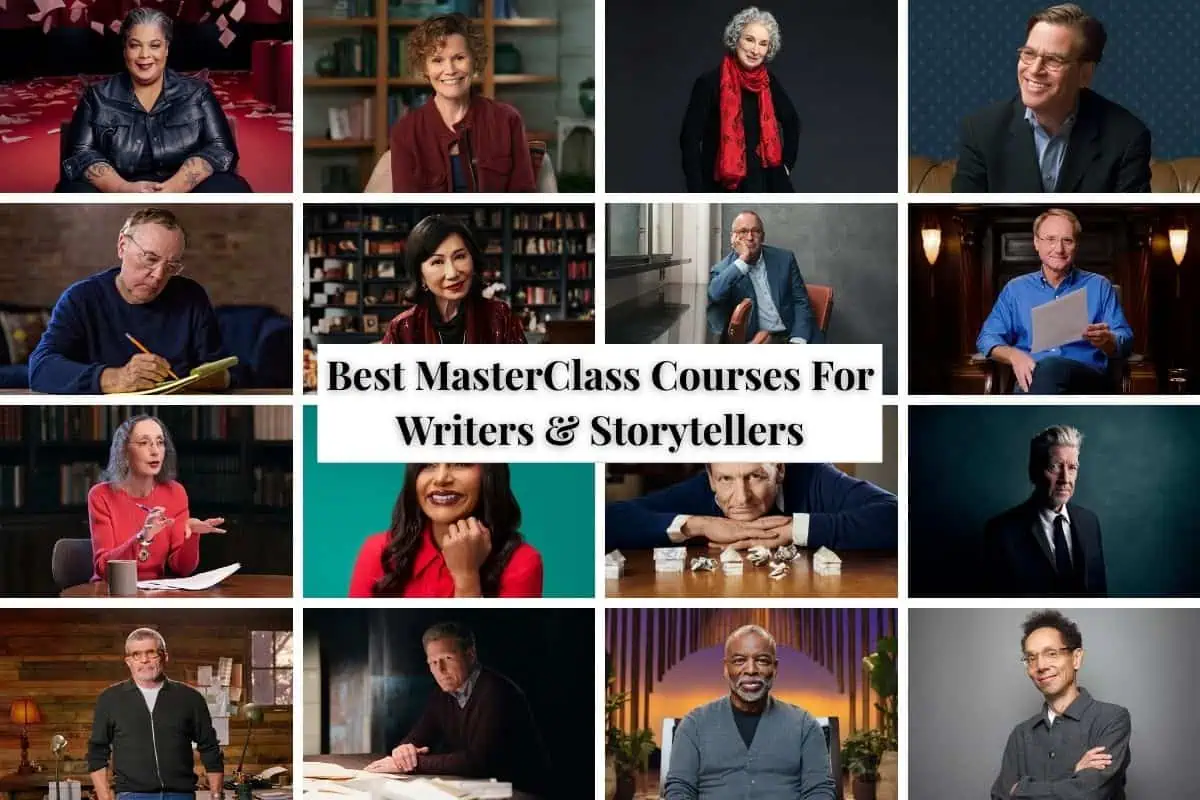
MasterClass (Paid): If you’re serious about writing, MasterClass is a goldmine. Learn storytelling from Judy Blume, creative writing from Margaret Atwood, powerful narrative from Roxane Gay, humor from David Sedaris, and how to shape ideas into books with Malcolm Gladwell; far from dry and dull lessons, these classes are like being guided by your literary heroes. I’ve written an article about the best MasterClass courses for writers and storytellers, breaking down each one. Make sure to check it out.
Get Every MasterClass With One Membership
$120 a year. That’s it. And you get all the writing classes. From “I think I have an idea” to “wow, I actually wrote that,” they’ve got you. (30-day guarantee included. But we doubt you’ll need it.)
Skillshare (Paid, with Free Trial): It’s like a buffet of writing classes, short, bite-sized lessons on everything from blogging and journaling to building a creative business. It’s great when you want to try different styles and learn directly from writers who are out there doing the work, without burning a hole in your pocket.
Reedsy Learning (Free): Simple email courses that actually teach you something. Ten days, one lesson a day, covering topics such as character development, story structure, and self-publishing. Free, straightforward, and made by people who know the industry inside out.
Coursera (Free & Paid): University-style courses you can actually take from your couch. Creative writing, academic writing, business writing, you’ll find it all. Many classes are free if you don’t need a certificate, and the quality is top-notch.
Books & Practical Guides
The Writers’ & Artists’ Yearbook: An old-school but gold-school annual. This resource is packed with tips, industry advice, and a comprehensive directory of agents and publishers. It’s the book that says, “Okay, now go send that manuscript.”
On Writing by Stephen King: Half memoir, half toolbox. King keeps it funny, quirky, blunt, and oddly comforting, like getting writing advice from that brutally honest uncle you can’t help but love.
Bird by Bird by Anne Lamott: A classic for when the blank page feels terrifying. Lamott breaks the process into small, human steps (literally “bird by bird”) and reminds you that messy drafts are the real starting point.
The Elements of Style by Strunk and White: Short, strict, and straight to the point. It’s like the grammar police, but kinder. Every writer has been told to read it at least once.
The Emotion Thesaurus: A Writer’s Guide to Character Expression by Angela Ackerman & Becca Puglisi: A lifesaver when your characters keep “smiling” and “frowning” on repeat. It provides you with fresh ways to convey feelings through body language, thoughts, and behavior, so your writing doesn’t fall into the dreaded cliché trap.
Steering the Craft by Ursula K. Le Guin: A thoughtful, hands-on book complete with exercises for fiction writers. It’s basically a workout plan for your sentences.
The War of Art by Steven Pressfield: Less about commas, more about fighting resistance. If procrastination has ever held you hostage, this one is your pep talk.
Save the Cat! Writes a Novel by Jessica Brody: A super clear breakdown of story structure. Especially helpful if your plot feels like a tangled mess.
Writing Down the Bones by Natalie Goldberg: A mix of Zen wisdom and writing prompts. It’s gentle and grounding, like having coffee with a friend who gets both your creativity and your chaos.
Steal Like an Artist by Austin Kleon: A tiny book with a big message: nothing is original, and that’s okay. Creativity is about remixing, borrowing, and shaping ideas into something new in your own voice. Fun to read, easy to revisit, and one of those books that makes you want to grab your notebook immediately.
Damn Fine Story by Chuck Wendig: Modern, witty, and practical. Wendig explains story mechanics in a way that makes you laugh and learn at the same time.
Story Genius by Lisa Cron: Focuses on the psychology of story. Great for writers who want to craft plots that genuinely evoke emotion, rather than just “stuff happening.”
Romancing the Beat by Gwen Hayes: If romance is your genre, this slim little book is a lifesaver. It shows how to nail the beats of a love story without getting bogged down in clichés.
Creating Character Arcs by K.M. Weiland: Deep and practical advice on building characters that grow and feel alive, not like cardboard cutouts.
You Are a Writer (So Start Acting Like One) by Jeff Goins: A motivational push for beginners who need that “stop doubting, start writing” nudge.
Blogs & Websites
Reedsy: A powerhouse for writing advice, editing tips, and a massive database of literary agents when you’re finally ready to pitch your work. It’s like a Swiss Army knife for writers.
Writer’s Digest: The old faithful of writing blogs. Articles on craft, prompts, publishing, competitions, and interviews with authors, it’s been around forever, and for good reason.
Helping Writers Become Authors: A goldmine for story structure nerds. K.M. Weiland breaks down everything from character arcs to plot beats in a way that makes you want to grab your notebook and start sketching.
Jane Friedman: If you want to understand the business of writing (publishing, marketing, self-publishing strategies), Jane’s blog is essentially your personal MBA for writers.
The Creative Penn: Perfect if you’re eyeing self-publishing. Joanna covers book marketing, indie publishing tips, and creative entrepreneurship, all while keeping it encouraging and honest.
Well-Storied: Straightforward resources by Kristen Kieffer, on plotting, productivity, and building a sustainable writing life. It feels like chatting with a writing buddy who’s a little more organized than you are.
Now Novel: Step-by-step guides, writing prompts, and an active community if you like learning in a more structured, classroom-style way.
Write to Done: Focuses on the craft and the mindset of writing—a mix of how-to posts and motivational pushes for days when the blank page feels extra rude.
Literary Hub: Daily essays, book reviews, author interviews, and literary news. It keeps you plugged into the bigger book world while still being enjoyable to browse.
The Millions: Smart, thoughtful essays and reviews on books, culture, and writing. Great for writers who want to stay on top of the literary pulse.
Electric Literature: A mix of craft essays, author spotlights, and discussions about diversity and trends in writing. It’s lively, sharp, and always current.
Medium Writing Hubs: On Medium, you’ll find entire communities around writing: think prompts, essays on the craft, and stories from writers at every stage. It’s half resource, half inspiration scroll.
Tumblr Writing Communities: Yes, Tumblr is still thriving for writers. From prompt blogs to fanfiction circles, it’s an underrated space if you enjoy a casual, peer-to-peer vibe.
Writing Communities & Feedback Hubs
Shut Up & Write!: Writers gather online or in-person for focused writing sprints—no feedback, no judgment—just words on the page with the buzz of accountability.
Wattpad: Perfect if you want to test your stories with a real audience. It offers feedback, contests, and even the chance to land a book deal or Netflix adaptation if readers fall in love with your work.
Reddit Writing Communities (r/writing, r/destructivereaders, r/writerchat): Casual but surprisingly helpful. You’ll find feedback threads, writing prompts, and honest advice (sometimes brutally honest).
Writing.com: One of the oldest online writing communities. Offers writing prompts, contests, and peer feedback, like an online workshop that never closes.
She Writes: A supportive space built explicitly for women writers, with forums, resources, and networking opportunities.
Reedsy: Not just for classes and articles. Their community side connects writers with editors, designers, and other creatives in the publishing world.
Jericho Writers: A dynamic writing community that feels like a creative co-working space for your words. Whether you’re starting or getting ready to submit, they have it covered: online courses, editing services, mentoring, live events, and a vibrant writers-for-writers community called Townhouse. You can explore tons of free guides, articles, and masterclass replays even before becoming a member. The best part is their Feedback Friday, a space where you share bite-sized work and get honest reactions—a real writer’s support.
Podcasts & Audio Inspiration
Writing Excuses: Short, sharp, and always useful. About 15 minutes per episode, with genre pros who manage to mix humor with solid craft advice.
Grammar Girl’s Quick and Dirty Tips: Tiny grammar lessons that somehow make you care about commas. Free, practical, and oddly addictive.
Fiction Writing Made Easy: Editor Savannah Gilbo breaks down novel writing into clear, doable steps you can actually use right now.
Scriptnotes: For anyone curious about storytelling structure and screenwriting. Packed with insider wisdom and entertaining to boot.
Storybound: A podcast-meets-radio-drama where authors read their work alongside music. Listening feels like slipping into a story before you even pick up the book.
The Writer Files: A mix of interviews and productivity hacks, exploring not just how to write but how to live like a writer.
Between the Covers: In-depth, thoughtful conversations with contemporary authors about craft, creativity, and the messy joy of storytelling.
The Shit No One Tells You About Writing: Hosted by Bianca Marais and literary agents Carly Watters and CeCe Lyra, this one digs into querying, editing, and the often-hidden business side of writing.
First Draft: A Dialogue on Writing: In-depth conversations with authors that go beyond the surface. Honest, thoughtful, and often inspiring, it feels like eavesdropping on the kind of chat every writer wishes they could be part of.
The Creative Penn Podcast for Writers: Joanna Penn covers everything from self-publishing tips to marketing strategies, and interviews authors across various genres.
Books and Boba: Celebrates Asian and Asian American authors. Great if you want to expand your reading list and perspective.
I Should Be Writing: Hosted by Mur Lafferty, is honest, encouraging, and full of craft tips, such as having a writing buddy who admits to the struggle but keeps going anyway.
The Wannabe Author: A friendly, down-to-earth show for anyone dreaming of writing a book. It’s packed with tips, honest talk about the writing journey, and the kind of encouragement that makes you feel like you’re not doing this alone.
Substacks
Craft Talk by Jami Attenberg: Equal parts writing prompts, pep talks, and behind-the-scenes wisdom. She even hosts seasonal challenges, such as writing 1,000 words a day, and it feels like a cozy club for writers.
Story Club by George Saunders: Saunders dives into short stories with the kind of insight that makes you rethink how you read and write. It’s like sitting in his classroom, but way cheaper.
Sweater Weather by Brandon Taylor: Essays, reflections, and honest talk about books and writing. Witty, sharp, and brutally honest about the writing life.
Newsletters
The Creative Independent: Interviews and essays from artists and writers talking openly about their process, fears, and tiny victories. A reminder that nobody really has it “figured out.”
Lit Hub Daily: A round-up of essays, author interviews, and publishing-world buzz. Great if you want to stay plugged into what’s happening in the literary scene.
Poets & Writers: Calls for submissions, contests, writing prompts, and author features. It feels like a friendly bulletin board for writers.
Cut the Fluff: Rare gem by Erica Schneider focused on editing with clarity. Weekly lessons from someone who’s edited over 3 million words—teaching what to cut, what to keep, and how to make every sentence count. Plus, an Editing Library with real before-and-after examples that feel like insider training.
David McIlroy: An intelligent, steady companion for word-hearted solopreneurs. He’s transparent, honest, and often tackles the “how to make writing pay” question. Great for anyone balancing creativity and income.
YouTube Videos & Channels
ShaelinWrites: Craft videos, writing vlogs, and advice that feels like chatting with a writer-friend.
Abbie Emmons: Breaks down storytelling and character arcs in a way that’s fun and clear.
Jenna Moreci: Sarcastic, funny, and brutally honest about writing and publishing.
Brandon Sanderson: Free full-length university lectures on creative writing and worldbuilding. Practical, detailed, and a goldmine, whether you love fantasy or want to learn from someone who makes storytelling feel doable.
Kurt Vonnegut’s “The Shapes of Stories”: It’s old-school, witty, and one of the sharpest ways to understand narrative arcs. Proof that genius doesn’t age.
TED Talks & Creative Videos
Elizabeth Gilbert: Your Elusive Creative Genius: A classic. Gilbert discusses creativity as something larger than us and how treating it that way alleviates some of the pressure.
Chimamanda Ngozi Adichie: The Danger of a Single Story: Not just about writing, but about why stories matter, how they shape us, and why multiple voices are essential.
Andrew Stanton: The Clues to a Great Story: Pixar’s own explains what makes stories stick, with examples that feel both simple and genius.
Amy Tan: Where Does Creativity Hide?: A playful, sometimes quirky dive into the mysterious ways ideas show up when we least expect them.
Anne Lamott: 12 Truths I Learned from Life and Writing: Funny, raw, and full of her signature wisdom. Lamott’s writing advice feels like life advice (because it is).
JK Rowling: The Fringe Benefits of Failure: From her Harvard commencement speech. Not just for Potter fans—about resilience, imagination, and why failure is part of the path.
Pico Iyer: Where Is Home?: A moving meditation on belonging, identity, and how the idea of “home” shapes our stories.
Malcolm Gladwell: The Tipping Point I Got Wrong: Gladwell revisits his own work with humility and fresh insight—gold for writers learning how ideas evolve.
Marlon Peterson: Will AI Make Us the Last Generation to Read and Write?: A provocative talk on how technology reshapes literacy and creativity, with questions writers can’t ignore.
Articles on Writing That Actually Helped Me
I’ve read my fair share of “how to write” advice online—some forgettable, some life-changing. These are the ones I bookmarked, reread, and sometimes even printed because they genuinely shifted how I think about writing.
Helpful Advice for Aspiring Writers of All Ages: A reminder that writing isn’t about perfect vocabulary or instant success. It’s about finding your voice and the joy of telling stories only you can tell.
My Advice to Aspiring Authors by Hugh Howey: A frank, encouraging checklist from a writer who’s been where you are: write, publish, study, hustle, and hang in there.
14 Writing Tips from Beloved Teacher Anne Lamott: A cozy, kick-in-the-pants collection of wisdom from someone who knows how hard and how human writing really is.
How to Write With Style by Kurt Vonnegut: Practical, funny, and blunt. Vonnegut’s rules don’t make you sound like him; they help you sound more like you.
Overcoming Uncertainty in Writing by George Saunders: Saunders takes the messiness of not knowing what comes next and makes it feel okay. If you’ve ever stared at a half-formed scene wondering what belongs, he reminds you to slow down, trust the process, and let the story reveal itself.
Write a Sentence as Clean as a Bone by Lit Hub: Baldwin’s craft commandments in mini form, about self-delusion, using experience, and how writing reveals what you don’t yet know.
Expert Advice to Aspiring Writers by Writing Routines: Interviews and insights from bestselling authors, filled with small routines and significant mindset shifts. A reminder that writers are just ordinary humans who choose to show up for the page.
21 Grammatical Errors That Drive Discerning Readers Nuts: A wry, delightfully human breakdown of the most cringe-worthy grammar mistakes out there: think “lay” vs. “lie,” missing Oxford commas, and more. It’s a fun way to sharpen your ear and seriously protect your credibility as a writer.
My Best Writing Tip by The Guardian: A rotating roster of writers like Jeanette Winterson and Rose Tremain share their non-obvious craft fixes. It’s a mini mastermind packed with wisdom in bite-sized essays.
Maybe the Secret to Writing Is Not Writing: A smart reset when everything feels stuck. It turns “writer’s block” on its head, asking: what if resting is part of the process?
This is your go-to toolkit for every stage of being (or becoming) a writer. Maybe you’re here for a course to sharpen your craft, a community that cheers you on, tools that make the blank page less scary, or a podcast to keep you company when the words won’t come. It’s all here.
The only thing left is you—your voice, your stories, your way of showing up to the page. So go on, pick the resource that calls to you today and start writing the thing only you can write. The mic is yours.
If there’s a resource that’s helped you or something you think could light the way for other aspiring writers, beginners, or even the quietly curious, please share it. Who knows, your tip might be the exact spark another writer is waiting for.
Pin This Writing Resource Guide So You’ll Never Run Out of Inspiration


